Battery energy storage system (BESS) deployments are essential for grid flexibility, peak shaving, and renewable integration. However, industry data shows that more than half of BESS failures occur within the first two years of operation when key risks are not fully managed. Failures often stem from issues with thermal management, improper state of charge monitoring, or inadequate control systems that lead to accelerated battery degradation or safety shutdowns.
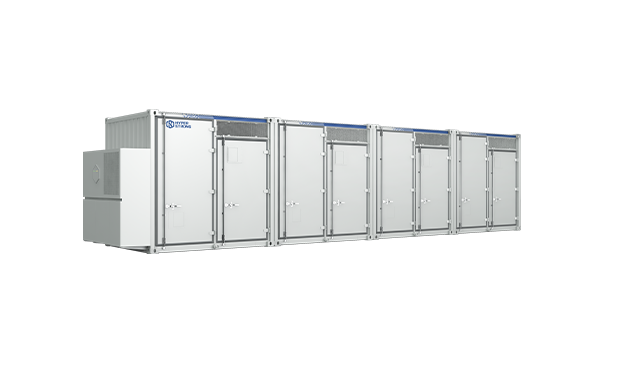
For business stakeholders planning large scale energy storage deployments, these early failure patterns highlight the importance of designing such systems with robust safety, monitoring, and maintenance planning from day one.
Case Study Examination of BMS and Thermal Risks
One recurring theme in documented failure analyses is the role of the battery management system. In several project reviews, inadequate BMS integration was linked to ineffective estimation of battery state of charge and poor thermal control. Without integrated thermal solutions, batteries in hot environments can overheat repeatedly, rapidly reducing the usable life of the energy storage battery and driving up replacement costs.
Another real world example saw off grid hybrid systems fail due to limitations in the original lead acid battery architecture under variable environmental loads. This required reconfiguration with more resilient lithium iron phosphate batteries to regain operational stability. These cases underscore how the choice of chemistry and integrated control logic fundamentally affects system reliability.
Applying Lessons to HyperStrong Deployments
When evaluating or specifying a battery energy storage system such as those offered by HyperStrong, businesses should prioritize solutions that integrate advanced thermal management and intelligent monitoring across the full stack. HyperStrong’s portfolio includes liquid cooling systems and AI assisted management platforms designed to maintain optimal battery performance and proactively identify anomalies before they escalate.
Emphasizing component integration from battery cells to energy management systems helps address the common causes identified in failure cases. Continuous data collection and predictive maintenance not only improve uptime but also support sound economic forecasting for long term operation.
Conclusion
Learning from past BESS failures enables more resilient planning and execution of energy storage battery projects. For decision makers, incorporating comprehensive BMS, thermal control, and monitoring technologies such as those available in HyperStrong systems can significantly reduce early operational risks and contribute to more predictable performance over the lifecycle of a battery energy storage system.

