Precision engineering serves as the bedrock for components utilized in power generation and distribution hardware. As global demands shift toward sustainable infrastructure, the fabrication of durable housings and intricate electrical connectors becomes vital for system performance. Firms often seek specialized injection molding for energy industry projects to achieve the exact tolerances required for high-voltage environments. By prioritizing material compatibility and structural integrity, manufacturers generate parts that withstand harsh outdoor conditions and fluctuating thermal loads. This systematic approach ensures that every component performs as expected within complex power grids and renewable energy assemblies.
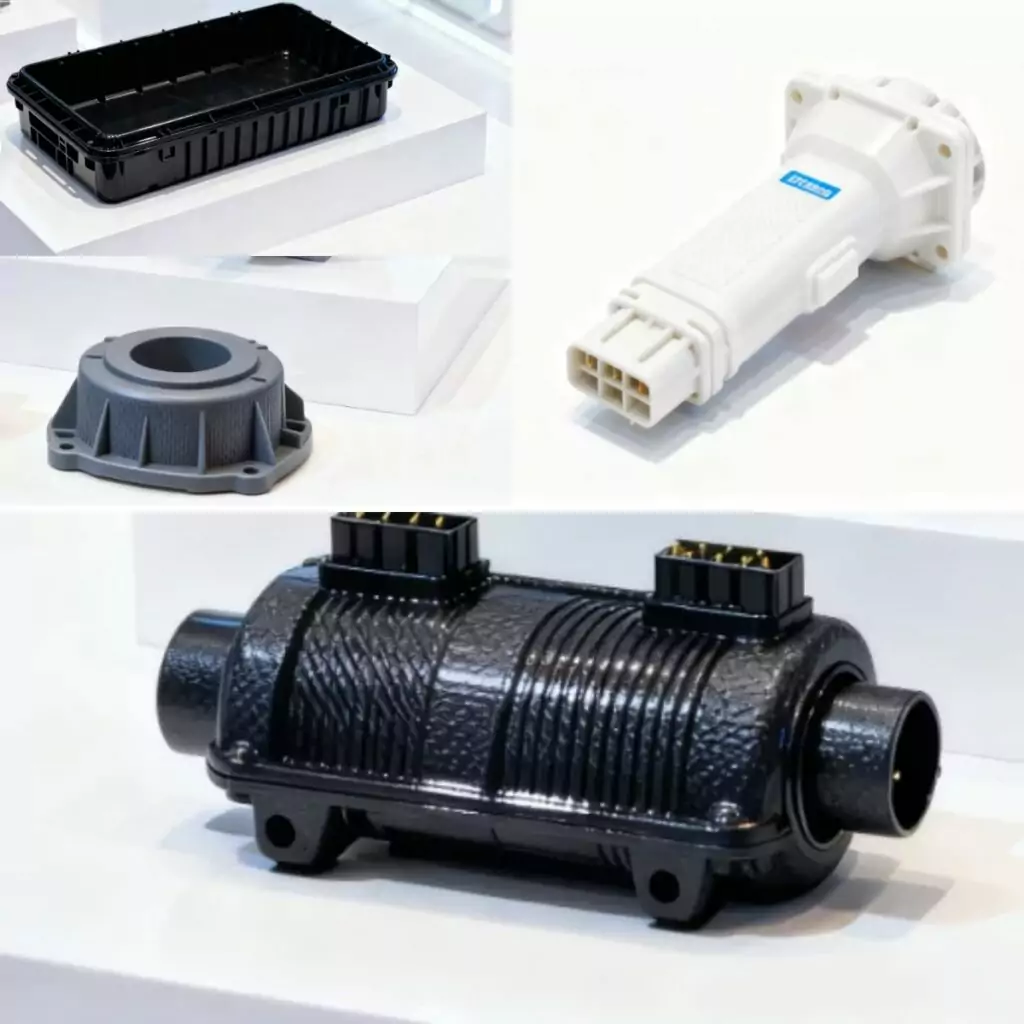
Structural Integrity in Mold Design
Developing tools for the power sector requires a deep analysis of material stressors. Each new energy mold manufacturer must account for the high-strength polymers and composite resins common in this field. These materials often exhibit specific shrinkage rates that demand highly accurate cavity dimensions to prevent warpage or structural failure. When projects involve delicate electronic integration, the design phase must focus on wall thickness uniformity to support effective heat dissipation. Livepoint Tooling incorporates these variables into their technical workflow, ensuring that the final geometry supports the rigorous operational demands of energy hardware.
Precision and Reliability in Fabrication
Consistent output relies on the stability of the entire production process. Variations in injection pressure or cooling cycles can introduce micro-fractures that remain invisible to the naked eye yet compromise the longevity of a component. Reliable injection molding for energy industry parts necessitates strict calibration of machinery to handle specialized, reinforced resins. Furthermore, the selection of steel grades for the mold base significantly influences the total production capacity and surface finish quality. Experts at Livepoint Tooling apply advanced thermal management techniques to reduce internal stresses within the molded parts, which is a necessity for hardware intended for long-term outdoor deployment.
Material Selection and Process Control
Energy-related applications often expose plastic components to ultraviolet radiation, moisture, and extreme temperature cycling. A qualified new energy mold manufacturer understands the importance of chemical resistance and flame retardancy when recommending resins for these environments. The interaction between the chosen polymer and the mold surface determines the ease of part ejection and the final aesthetic result. By optimizing cycle times and monitoring flow characteristics, producers maintain the high-quality standards needed for critical grid infrastructure. Effective process control reduces scrap rates and ensures that each batch of components meets the specified mechanical property requirements for high-stakes industrial use.
Structural Validation and Performance
Achieving reliable results across mass production cycles requires rigorous testing protocols. Post-molding inspection methods verify that dimensions stay within the narrow tolerance bands requested by engineers. Whether producing large enclosures or small battery housing components, the focus remains on eliminating defects that could occur during assembly. Reliable performance is the goal for all parts created for utility sectors, as downtime in power infrastructure presents significant operational risks. Through careful attention to mold maintenance and thermal stability, manufacturers ensure that their output provides consistent value to their clients. Consistent quality control processes allow for the predictable manufacturing of parts that meet the specific needs of modern energy generation systems.
The focus on repeatable quality and high-performance design remains essential for industrial success. By addressing these technical aspects early in the project timeline, stakeholders secure the reliability of their hardware and the longevity of their infrastructure systems.

