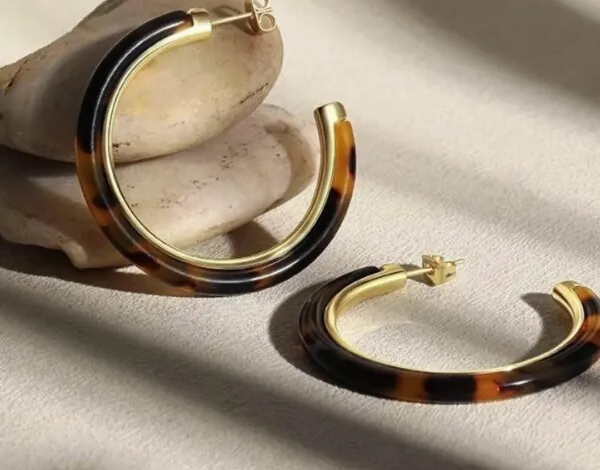
Consumer demand for skin-friendly accessories has made hypoallergenic properties a significant consideration in manufacturing. For brands like Star Harvest, producing custom gold plated jewelry that minimizes allergic reactions requires a methodical approach to material selection and plating integrity. The available options focus on creating a reliable barrier between the wearer’s skin and potential irritants.
Selection of Non-Reactive Base Metals
The foundation of any hypoallergenic piece is its underlying metal. Common allergens like nickel are frequently present in base alloys. Opting for substrates such as surgical-grade stainless steel, titanium, or certified nickel-free brass is a primary step. These materials provide a stable and inert foundation for gold plating jewelry, significantly reducing the risk of dermatitis or skin irritation for the end-user.
Implementation of High-Purity Barrier Plating
A critical technique involves depositing an intermediate barrier layer between the base metal and the final gold coat. Utilizing a thick layer of high-purity palladium or nickel-free silver as a sealant effectively isolates the skin from the core alloy. This process ensures that even if the gold layer experiences micro-wear over time, the underlying metal does not come into contact with the skin, enhancing the safety of custom gold plated jewelry.
Specification of High-Micron Gold Coating
The thickness and quality of the final gold layer are paramount. A thicker micron measurement of heavy gold plating, provides a more durable and long-lasting barrier compared to standard or flash plating. Verifying that the gold used is alloyed with non-irritating metals like silver or copper for color, rather than nickel, further secures the hypoallergenic claim for the finished gold plating jewelry.
Producing hypoallergenic items is an exercise in material science and supply chain verification. It necessitates precise specifications for base metals, intermediary layers, and final plating. By systematically addressing each component of the construction, manufacturers can deliver custom gold plated jewelry that aligns with both aesthetic goals and skin-safety requirements, supporting a brand’s commitment to consumer well-being.

