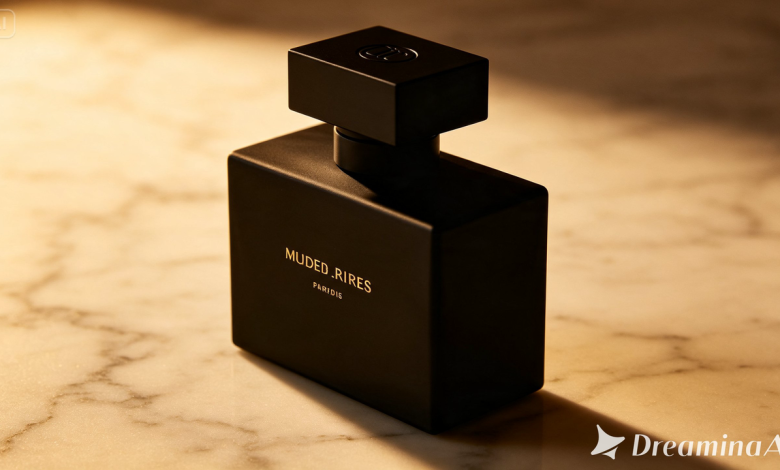
Ever stared at a flat product photo and wished it could just… move? That flicker of light catching a bottle’s curve, a slow pan across stitched leather, steam rising off a fresh espresso — that’s the difference between a photo that gets scrolled past and a video that stops the thumb.
Thanks to image to video technology, that jump from static to cinematic no longer needs a studio, a crew, or a budget that makes your eyes water. Tools like Dreamina, powered by its latest and most advanced video generation model, Seedance 2.5, are turning ordinary product shots into short films in minutes.
Why your product photos deserve to move
A still image tells; a video shows. Movement adds texture, mood, and a sense of scale that a flat photo simply can’t. When a shopper sees a candle’s flame flicker or a sneaker rotate under moody lighting, they’re not just looking at a product — they’re imagining owning it. That emotional nudge is exactly why brands are shifting ad spend toward short-form video, even for products that started life as a single studio shot.
What is image to video, really
At its core, image to video takes a static picture and generates motion around it — camera movement, lighting shifts, environmental effects — while keeping your product looking exactly like your product. No reshoots, no green screens, no waiting on a video team’s calendar. You upload a photo, describe what you want to happen, and the model fills in the motion, the mood, and often the sound.
This matters most for:
-
Small teams without in-house video production
-
E-commerce sellers who need constant fresh content
-
Marketers testing dozens of ad variations quickly

Meet Dreamina, your cinematic sidekick
Dreamina is built for exactly this kind of transformation. Instead of juggling separate apps for editing, generating, and exporting, Dreamina keeps the whole workflow — reference image, prompt, generation, polish — in one place. It’s less like using software and more like directing a tiny film crew that never sleeps, never argues about lighting, and never asks for overtime.
Say hello to Seedance 2.5
Here’s where things get genuinely exciting. Seedance 2.5 is Dreamina’s most advanced video generation model yet, and it was clearly built with real production headaches in mind. A few standouts:
-
Single clips can now run up to 30 seconds, a big jump from the old 15-second ceiling, and an “Ultra-long” beta mode stretches that all the way to 180 seconds
-
It reads richer references — including green screen and white model (blockout) footage — so complex movement and interactions translate more faithfully
-
Local editing lets you remove or tweak specific objects in a frame, like pulling a stray prop out of the background without regenerating the whole clip
-
Multilingual support covers everything from Spanish to Thai to Korean, handy if your product is going global
-
The “AI look” has been dialed down significantly, so motion feels more natural and less uncanny
Lights, camera, upload: your 3-step shoot with Dreamina
Turning a photo into a cinematic clip in Dreamina really does come down to three moves.
Step 1: Upload reference image and write your prompt
Sign in to Dreamina and head to the “AI Video” section. Click “Add reference image” and upload your product photo, then write a prompt describing the motion, lighting, and mood you want.
For a 30-second video, try something like: Using the bottle’s shape and label from the reference image, generate a 30-second cinematic video: slow 360-degree rotation on a marble pedestal, soft golden hour light sweeping across the glass, gentle steam or mist drifting in the background, camera slowly pushing in toward the final 5 seconds.
Step 2: Generate your video
Once your image and prompt are set, select the Seedance 2.5 model for generation. Choose your video length, then pick an aspect ratio — 16:9 works well for YouTube, while 9:16 suits TikTok and Reels. Tap Dreamina’s generate icon and give it a few seconds to render.
Step 3: Enhance and export
Before you save, run the clip through Dreamina’s editing tools. Upscale it for sharper resolution, or add a generated soundtrack to give it real atmosphere. Once it feels right, export and share it straight to your platform of choice.
Picking the right vibe: aspect ratio and length that convert
Not every clip needs to be a 30-second short film. A quick 8-second loop might be all a Stories ad needs, while a longer cinematic cut suits a YouTube pre-roll or a brand landing page. Match your aspect ratio to where the video will actually live — vertical for mobile-first platforms, horizontal for anything meant to be watched wide.
Common mistakes that flatten the cinematic effect
A few habits quietly undercut otherwise great footage:
-
Overloading the prompt with too many actions at once, which confuses the motion
-
Ignoring lighting consistency between the reference photo and the requested scene
-
Skipping the enhance step, which leaves resolution and audio feeling unfinished
Where these videos actually work best
Cinematic product clips shine in ad placements, product pages, email campaigns, and social feeds where attention is earned in seconds. A single well-made clip from Dreamina can be resized and reused across nearly every channel, stretching one photo shoot into weeks of content.
Wrapping up
Turning product photos into cinematic video used to require a full production team. Now, with Dreamina and the storytelling power baked into Seedance 2.5, it’s a workflow anyone can run before their coffee gets cold. Upload, prompt, generate, polish — and watch a flat photo turn into something people actually want to watch.