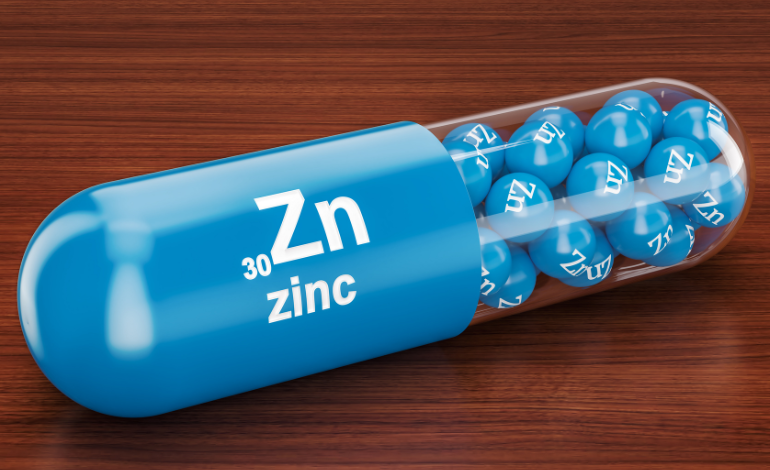
Everyone loses some hair daily. That part is normal. But when you start seeing a lot more on your pillow or in the shower drain, you begin looking for reasons. Zinc is one that comes up a lot. So can low zinc really cause hair fall? Yes, it can. But it’s not the only reason, and often not the main one.
What Zinc does for your hair?
Zinc is a mineral your body needs in small amounts. It helps cells grow and repair, and it helps make protein. Hair follicles are some of the fastest growing cells in the body, so they need zinc to keep working properly.
When zinc runs low, hair can get thin and weak and fall more than usual. Some studies link low zinc to certain kinds of hair loss, though not every study agrees.
Zinc picolinate tablets are one option, and many people pick this form because it is said to absorb well.
How to know if zinc is low?
Hair fall by itself doesn’t tell you much. But low zinc often shows up in other ways too:
- catching colds often
- cuts and wounds healing slowly
- poor taste or smell
- not feeling hungry
- white spots on nails
- dry, rough skin
If you have a few of these along with hair fall, get a blood test done. It’s better than guessing.
Who tends to run low?
- vegetarians and vegans (plant foods have phytates, which make it harder to absorb zinc)
- people with gut or digestion problems
- pregnant or breastfeeding women
- people who drink alcohol regularly
- anyone on crash diets
Zinc is found in pulses, chickpeas, nuts, seeds, whole grains, milk, curd and eggs. So if you eat well and still feel low, absorption could be the issue, not the food.
Zinc Is Not the Answer to Every Case of Hair Fall
As Miduty stated, hair fall has many causes. Low iron, low vitamin D, thyroid problems, too little protein, stress, bad sleep, a recent illness, PCOS, genetics, even harsh shampoos and too much heat styling. If the real cause is something else, zinc won’t fix it. So find the cause first and then only start supplementing to target the root cause.
When a supplement can help
If your test shows low zinc, or your doctor thinks your diet isn’t enough, a supplement makes sense.
So can low zinc really cause hair fall? Yes, it can. If your levels are low, zinc picolinate tablets are one of the options people look at, and many choose this form because it is said to absorb well. But zinc is rarely the only reason, and often not the main one.
That is why it helps to understand the problem before reaching for a bottle. Some people prefer a single product that covers a few nutrients together, and for that you can look at hair growth tablets. Whatever you pick, check the label and see what is inside and how much.
Watch the dose
More zinc is not better. Too much for too long can cause nausea, stomach upset, and can lower the copper in your body. For adults the upper limit from all sources is about 40 mg a day. Some supplements have more than that, so check the strength on the pack and take it only as directed or as your doctor says.
Also check your multivitamin or hair supplement. If it already has zinc, add up the total. And if you are pregnant, breastfeeding or on any medicine, talk to your doctor first.
Give it time
Hair grows slowly. Even after the cause is sorted, you usually need three to six months to see a real change. Don’t quit after two weeks.
Picking a brand
There are so many supplement brands in India now that it gets confusing. If you are looking for the best nutraceutical supplement brand in India, check a few simple things:
- clear ingredient list with exact amounts
- a sensible dose
- veg or vegan label, if that matters to you
- no unnecessary fillers
- no big promises of quick results
Bottom line
Low zinc can affect hair growth and cause more hair fall, but it’s just one of many possible reasons. Look at your diet, get your levels checked if you can, and talk to a doctor before starting anything. If zinc really is low, fixing it can help over time.