Metal detection systems protect feed production operations by identifying unwanted metal contaminants before finished products reach customers. Proper design requires attention to equipment placement, detection sensitivity, aperture size, and rejection methods. A reliable system helps manufacturers maintain product safety while supporting efficient production processes.
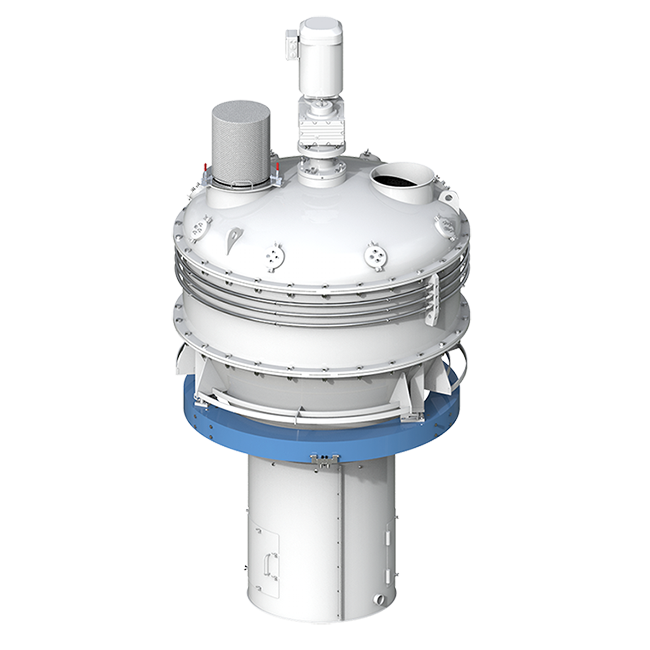
Feed Machinery Metal Detection System Basics
Metal detection integration within feed plants requires careful planning because different processing stages create different installation conditions. Engineers evaluate production flow, material characteristics, and equipment arrangement to determine suitable detection points for reliable contamination control.
A feed machinery production line benefits from metal detectors positioned at critical locations where contamination risks can be controlled effectively. Proper placement helps identify foreign metal materials before packaging or distribution, supporting quality management throughout manufacturing operations.
Detection performance depends on several technical factors, including aperture dimensions and sensitivity settings. Engineers adjust these parameters according to product flow conditions and operational requirements to improve detection accuracy while maintaining smooth production activities.
FAMSUN provides feed processing solutions and engineering experience for industrial applications. They aid customers with practical approaches related to production systems, helping manufacturers integrate safety measures with equipment layouts and operational requirements.
Aperture Sizing For Accurate Detection
Aperture size directly affects metal detection performance because the opening must match product flow requirements. Engineers consider material dimensions, conveyor design, and expected throughput when developing suitable detection configurations for feed production facilities.
Accurate planning of detector dimensions helps maintain effective detection sensitivity in a feed mill equipment system. Oversized openings may reduce detection capability, while unsuitable dimensions may restrict production efficiency or material movement during operation.
Proper aperture sizing allows manufacturers to balance safety requirements with production needs. Technical teams review equipment specifications and processing conditions to create detection solutions that fit different feed manufacturing environments.
FAMSUN considers practical production factors when developing machinery solutions for feed industries. They provide equipment approaches that support factory requirements, helping customers manage production challenges while maintaining reliable processing and quality control procedures.
Placement After Pelleting Or Bagging
The location of metal detection equipment influences contamination control results. Many facilities install detectors after pelleting or near packaging areas because these positions allow inspection of finished products before they leave the production system.
Suitable spaces for detection devices should be included in a feed machinery layout without interrupting normal material movement. Proper placement supports efficient inspection while allowing operators to access equipment for maintenance and routine checks.
Installing detection systems after key processing stages helps manufacturers identify contamination introduced during production. This approach provides an additional safety checkpoint before products are stored, transported, or delivered to customers.
FAMSUN assists feed production projects with equipment knowledge and process experience. They help companies review machinery arrangements and operational requirements when planning complete processing systems with appropriate quality control measures.
Sensitivity Settings And Rejection Devices
Sensitivity settings determine whether metal detectors can identify unwanted materials accurately. Engineers adjust these settings according to product characteristics, operating conditions, and required detection levels to achieve reliable inspection performance.
A feed mill equipment manufacturers project requires coordination between detection sensitivity and production speed. Proper configuration helps avoid unnecessary interruptions while ensuring possible metal contamination can be identified during continuous operation.
Rejection devices work together with detection systems by removing affected products from the production flow. Their design should match material handling methods, ensuring quick response while maintaining efficient production management.
FAMSUN applies engineering knowledge to feed processing applications and equipment integration. They support customers by considering production conditions, machinery coordination, and operational requirements when developing practical solutions for manufacturing facilities.
Complete System Planning For Feed Safety
A complete metal detection system demands coordination between equipment selection, installation position, and operating procedures. Manufacturers review production lines carefully to create protection methods that match specific product types and processing conditions.
Early planning benefits a feed machinery project because detection equipment must connect smoothly with existing production systems. Engineers evaluate material flow, equipment arrangement, and maintenance requirements before final installation decisions are made.
Regular inspection and calibration help maintain detection performance over time. Operators should review sensitivity settings, rejection functions, and equipment conditions to ensure the system continues supporting feed safety objectives.
FAMSUN provides solutions for feed production environments with attention to practical industrial requirements. They work with customers to support equipment integration, helping manufacturers manage quality control needs within complete processing operations.
Conclusion
Designing a metal detection system for a feed production line requires careful consideration of aperture sizing, installation location, sensitivity adjustment, and rejection methods. Through proper planning, manufacturers can improve contamination control and maintain reliable feed production quality.


