Infection prevention in a dental clinic depends on far more than disinfectant selection or the frequency of surface cleaning. Patient positioning, equipment accessibility, waterline maintenance, and the handling of clinical instruments all influence how consistently staff can follow hygiene protocols.
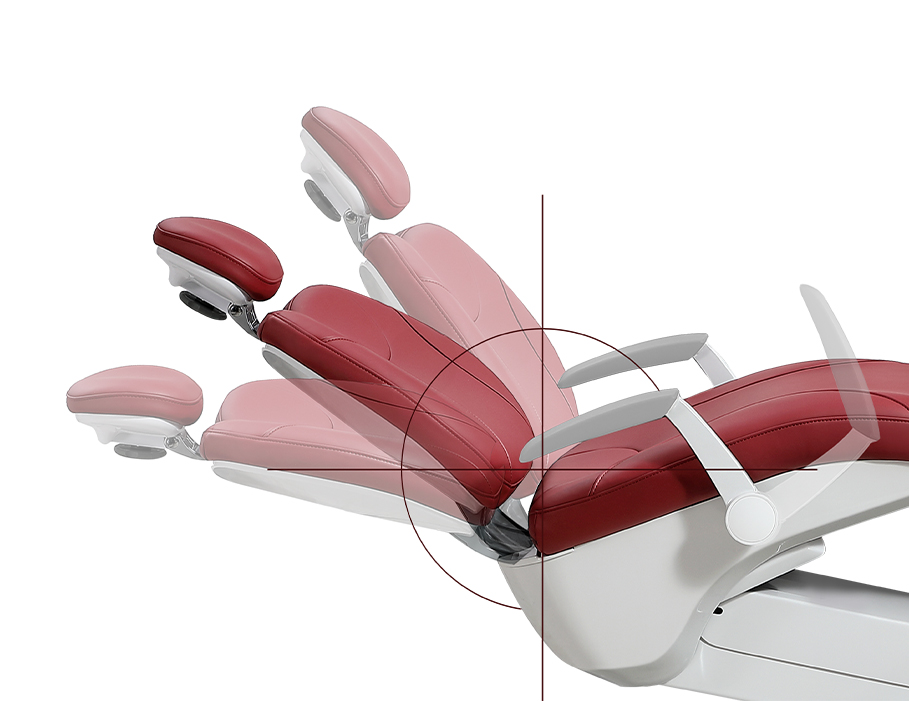
An advanced dental chair should support these procedures through practical design, clear operating instructions, and surfaces compatible with approved cleaning agents. Roson is one manufacturer whose equipment can be evaluated against these criteria, alongside the clinic’s own infection prevention procedures and applicable healthcare guidelines.
Designing Equipment Around Hygiene Requirements
Dental treatment involves frequent contact with saliva, blood, aerosols, and contaminated instruments. Surfaces near the treatment area may become contaminated during routine procedures, making systematic cleaning between patients essential. Equipment design can make this task easier or more difficult: narrow gaps, inaccessible joints, and complicated assemblies may require additional attention, while accessible surfaces and removable components can simplify cleaning workflows.
Material compatibility is another important consideration. Upholstery, control panels, handles, and plastic housings may react differently to disinfectants, particularly when products contain alcohol, chlorine compounds, or other active chemicals. Clinics should follow the equipment manufacturer’s approved cleaning instructions rather than assuming that a disinfectant suitable for one surface is safe for every component. Repeated exposure to incompatible chemicals can cause discoloration, cracking, or deterioration that makes surfaces harder to maintain.
The physical arrangement of equipment also affects contamination control. Frequently touched controls should be easy to identify and, where appropriate, protected with suitable barriers that can be changed between patients. Staff should distinguish between cleaning, which removes soil and organic material, and disinfection, which reduces specified microorganisms under defined conditions. An electric dental chair can support these routines through accessible surfaces and practical component placement, but its design cannot replace correct cleaning technique or staff compliance.
Managing Waterlines and Instrument-Related Risks
Dental unit waterlines require particular attention because microorganisms can form biofilms inside narrow tubing. Water quality at the outlet may differ from the quality of the incoming supply, so clinics need procedures suited to the equipment configuration and applicable local guidance. Depending on the system, these procedures may involve water treatment, monitoring, flushing, and periodic maintenance. A written schedule helps staff understand which actions are required, how often they should occur, and who is responsible.
Instrument connections and suction pathways present separate hygiene challenges. Handpieces and other reusable instruments require processing according to their own validated instructions, while suction systems need maintenance appropriate to the materials and procedures involved. The clinic should not assume that cleaning the external equipment surfaces also addresses internal pathways. Clear separation between instrument reprocessing, surface disinfection, and waterline care reduces the risk of overlooking an important step.
Staff training must reflect the actual equipment installed in each treatment room. New employees need to know which components are removable, which cleaning products are approved, and which procedures must be performed before the next patient arrives. An advanced dental chair may incorporate features intended to simplify maintenance, but their value depends on clear instructions and consistent use. Periodic observation of routine workflows can reveal missed steps that written policies alone may not identify.
Integrating Patient Comfort With Safe Positioning
Patient positioning may seem separate from infection control, yet smooth and predictable chair movement can help clinical teams maintain control of the treatment environment. Sudden movement may disturb instrument handling or require staff to reposition equipment during a procedure. Stable movement, accessible controls, and suitable support can contribute to a more orderly workflow, provided the equipment is used according to its instructions.
Roson Security Master S9+ features a precision internal guideway drive system designed to coordinate backrest movement with the patient’s back, using gentle start-and-stop motion. Its zero-gravity linkage seat is described as providing zoned support for the head, neck, lumbar region, and hips. These functions relate primarily to positioning and comfort rather than direct microbial control. During assessment, clinics should consider whether the moving components remain accessible for cleaning and whether the manufacturer provides clear maintenance instructions for the mechanism.
Comfort-related features should not distract from infection prevention fundamentals. Staff still need to disinfect appropriate contact surfaces, replace protective barriers, process instruments correctly, and perform required waterline procedures. An electric dental chair that supports stable positioning and accessible maintenance can fit into a well-designed hygiene workflow, but no positioning system should be treated as a substitute for established infection control measures.
Establishing a Reliable Infection Prevention Routine
Effective protocols turn equipment capabilities into repeatable daily practice. A clinic can organize tasks by timing: between patients, at the start and end of the day, and at scheduled maintenance intervals. Each category should specify the components involved, approved products, required contact times, and the staff responsible. Instructions should remain easy to locate so that procedures do not depend solely on individual memory or informal training.
Documentation provides a way to identify gaps and improve consistency. Maintenance logs, water quality records where required, staff training records, and reports of damaged surfaces can help a clinic recognize recurring problems. If a surface becomes cracked or a component no longer responds to the prescribed cleaning method, it should be assessed and repaired or replaced as appropriate. Records also help distinguish an isolated error from a broader issue involving equipment design or workflow.
Conclusion
Reliable infection prevention is built through coordinated decisions: equipment must be maintainable, protocols must reflect actual clinical conditions, and staff must be able to perform each required step consistently. Design features can reduce practical barriers, but their effectiveness depends on appropriate training, documented procedures, and regular review.
The available technical documentation and the clinic’s specific hygiene requirements should guide the assessment of Roson, as they would for any equipment manufacturer. With a clear maintenance plan and evidence-based routines, dental practices can integrate equipment performance with the broader goal of protecting patients and clinical teams.


