Market access for spray paint products depends on more than appearance and cost. Safety standards and VOC regulations increasingly shape product selection for international buyers, influencing everything from initial import approval to long-term customer acceptance across diverse regional markets.
Aerosol coatings combine chemical formulations with pressurized packaging, making them different from many traditional liquid coating products. Importers and distributors need to understand how these factors affect product compliance before making sourcing decisions.
Application performance and market requirements are central to the aerosol coating solutions developed by SANVO. Buyers evaluating a spray paint manufacturer in China should look beyond the finished product’s appearance and consider whether the manufacturing approach supports safety, environmental responsibility, and readiness for target markets.
Safety Compliance Begins With Understanding the Product Category
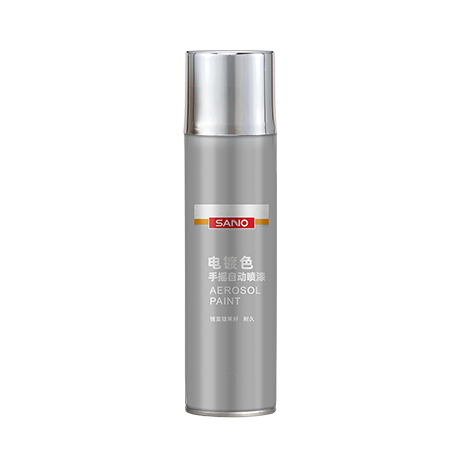
Aerosol spray paint has unique characteristics because the product is stored inside a pressurized container and delivered through a spray system. This creates additional considerations compared with ordinary paint products.
The formulation, container structure, valve system, and filling process all influence how the product performs during storage and use. A well-designed aerosol product needs to maintain stable pressure, provide controlled spraying, and remain safe throughout its intended lifespan.
For buyers, this means safety evaluation should not focus only on chemical ingredients. The complete product system must be considered, including how the coating interacts with the packaging and how users will handle the product.
Understanding these factors helps businesses avoid selecting products that may create problems during transportation, retail distribution, or customer use.
Why VOC Requirements Affect Product Marketability
VOC regulations are becoming increasingly important in coating industries because they influence environmental impact and indoor air quality considerations.
For aerosol spray paints, VOC levels are closely connected with formulation design. Solvents are commonly used to achieve smooth application, proper atomization, and effective drying. However, their usage must be balanced with environmental expectations.
Reducing VOC content is not simply a matter of removing certain ingredients. A coating with lower emissions must still provide acceptable coverage, appearance, drying characteristics, and durability.
This balance creates a technical challenge for manufacturers. A successful product needs to meet market expectations without sacrificing the performance users rely on during application.
What Buyers Should Examine Before Importing Aerosol Products
Many purchasing decisions focus heavily on product specifications, but compliance evaluation requires a broader review.
One important area is product information transparency. Buyers should understand the intended application, recommended surfaces, storage conditions, and handling requirements before introducing products into their markets.
Labeling is another key consideration. Aerosol products need clear communication about usage instructions, precautions, and relevant safety information. Accurate product information helps distributors reduce misunderstandings and supports correct end-user application.
Buyers should also consider whether the manufacturer understands the regulations and expectations of different target regions. Products designed for one market may require adjustments before being introduced elsewhere.
The Relationship Between Formulation Choices and User Experience
Safety and environmental considerations cannot be separated from actual product performance. Users judge spray paint by how easily it applies and the quality of the final coating.
Formulation decisions influence spraying smoothness, drying speed, surface appearance, and overall application experience. A product that meets environmental targets but performs poorly may fail to gain customer acceptance.
Customer perception is shaped long before a project is finished—starting the moment the package arrives and continuing through every application step. The complete user journey matters, and manufacturers who recognize this are better positioned to deliver products that truly satisfy.
This awareness also guides how businesses evaluate a spray paint manufacturer in China. The right partner is one that balances regulatory compliance with a clear grasp of how the product behaves in the hands of actual users.
Challenges of Meeting Different Regional Requirements
International aerosol markets are not identical. Different countries and regions may have different expectations regarding VOC levels, labeling, packaging, and product information.
A product that performs well in one market may require adjustments before entering another. Climate conditions, customer habits, and local regulations can all influence product requirements.
For exporters and distributors, these differences create additional planning challenges. They need products that are adaptable enough to meet various market conditions while maintaining consistent performance.
Manufacturers with international experience are better positioned to understand these differences and develop solutions that align with specific market expectations.
Avoiding Compliance Problems During Product Development
Many compliance issues occur when regulatory considerations are introduced too late. Adjusting products after production has started can increase costs and delay market launches.
Early communication about target markets, application conditions, and customer expectations allows manufacturers to evaluate requirements before production decisions are finalized.
Product development should also consider future market changes. Environmental regulations and customer expectations continue to evolve, meaning flexible development strategies can provide long-term advantages.
For brands and distributors, early compliance planning reduces uncertainty and improves confidence when expanding aerosol product lines.
How Responsible Manufacturing Supports Safer Aerosol Solutions
Safety and VOC compliance are not isolated product features. They reflect how manufacturers approach chemical development, product design, and market responsibility.
A responsible approach considers the relationship between formulation, packaging, user requirements, and environmental expectations.
For buyers, this provides a clearer way to evaluate potential suppliers. Instead of focusing only on immediate product specifications, companies can assess whether the manufacturing process supports sustainable product development.
This perspective is especially valuable for businesses building long-term aerosol product categories across multiple markets.
Conclusion
Evaluating safety and VOC compliance is an essential step when sourcing aerosol spray paint products internationally. The right assessment includes understanding product design, formulation decisions, market requirements, and user expectations.
Aerosol coating solutions from SANVO are developed with careful attention to performance, safety, and real-world application requirements. By cooperating with a professional spray paint manufacturer in China, businesses can better tailor products for diverse markets while reducing compliance risks and strengthening customer confidence.

