Energy infrastructure within private homes has evolved to accommodate the increasing presence of electric vehicles. As households seek efficient ways to maintain vehicle battery levels, the market has introduced specialized hardware designed for home environments. These systems allow for a controlled power flow, ensuring that charging occurs safely and reliably within the domestic setting. The shift toward dedicated home equipment reflects a broader adaptation to modern power requirements, as residents seek more consistency in their daily energy routines.
Technical Progression and Integration
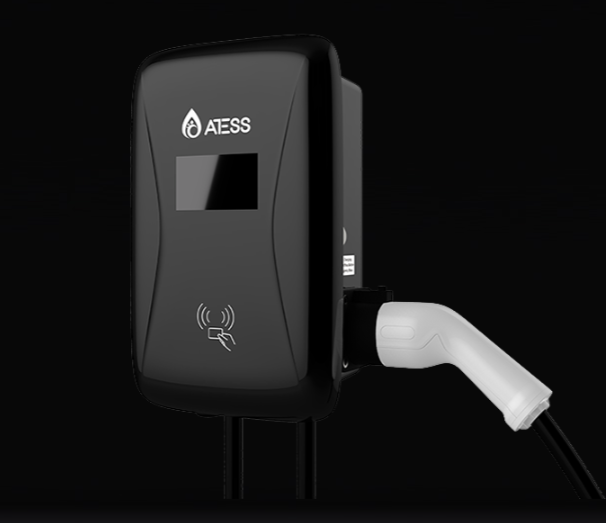
Atess provides solutions that reflect the current technical requirements for home hardware. By installing a residential charging station, homeowners gain a structured method to power their vehicles without relying on intermittent public sources. These units manage the electrical load efficiently, preventing the strain that can occur when using non-specialized outlets. The design focus for a residential charging station involves balancing the needs of the vehicle with the capacity of the home’s existing grid, which is a core concern for technical professionals.
Adapting to Modern Residential Needs
Industry professionals recognize that reliable infrastructure is the foundation of long-term electric mobility. The deployment of residential EV charging stations allows for scheduled charging, which helps manage overall electricity consumption. Atess continues to develop equipment that integrates into private settings, ensuring compatibility and safety for various vehicle types. Utilizing residential EV charging stations provides a level of independence that is vital for consistent vehicle readiness. It is a practical measure for those who require a stable, dedicated power source to meet their driving demands.
Future Perspectives on Home Power
Effective power management within the home remains a critical aspect of infrastructure development. As residents incorporate residential EV charging stations into their properties, they secure a reliable link between the electrical grid and their vehicles. This hardware ensures that energy is distributed effectively, protecting the electrical integrity of the household. By maintaining a focus on performance and safety, homeowners can manage their energy usage with greater precision, creating a sustainable environment for their personal transportation needs.

