Linear lighting has become an important element in contemporary architecture, where illumination needs to serve both functional and visual purposes. From office ceilings and retail displays to hospitality interiors, continuous lines of light can establish spatial rhythm, improve visibility, and complement architectural details. However, the quality of a lighting installation depends on more than its appearance.
Optical performance, electrical compatibility, thermal management, and installation conditions all influence the final result. LED linear lighting strips offer designers and project planners considerable flexibility in developing lighting arrangements, while manufacturers such as LEDIA Lighting operate within a broader industry that continues to refine production methods and lighting technologies.
Understanding the Technical Factors Behind Linear Lighting
The visual consistency of a linear lighting installation depends heavily on the relationship between LED density, optical design, and the materials surrounding the light source. A strip with widely spaced diodes may produce visible bright spots, particularly when installed close to a reflective surface. Higher LED density, combined with a suitable diffuser, can create a smoother illuminated line. The distance between the light source and diffuser also influences how evenly individual light points blend together, making optical configuration an important consideration for architectural applications.
Color quality deserves similar attention, especially in environments where people interact with products, materials, or detailed visual information. Correlated color temperature (CCT) describes whether illumination appears warmer or cooler, while the color rendering index (CRI) indicates how accurately a light source reveals object colors compared with a reference source. Warm white lighting is commonly associated with comfortable residential and hospitality environments, whereas neutral or cooler white options may suit offices and retail spaces.
Thermal conditions also affect the operating characteristics of an LED system. Although LED technology converts electricity into light more efficiently than many traditional sources, semiconductor components still generate heat during operation. Aluminum channels and appropriately designed mounting structures help transfer this heat away from the circuit board. Enclosed installations, narrow recesses, and locations with limited airflow require particular attention because accumulated heat can affect output consistency, component reliability, and service life.
Selecting LED Linear Lighting Strips for Different Applications
Different architectural environments place different demands on linear illumination. Office installations often prioritize visual comfort, controlled glare, and consistent light distribution across work surfaces. Retail environments may require more precise illumination to highlight merchandise, distinguish product colors, or emphasize display structures. In residential interiors, concealed lighting beneath cabinets, inside wardrobes, and along ceiling details can provide supplementary illumination without introducing bulky fixtures.
Electrical planning is another factor that deserves attention before installation begins. The rated voltage of the strip must match the output voltage of its power supply, while the driver’s wattage capacity should accommodate the total connected load. For example, a lighting arrangement using 10 meters of strip rated at 12 watts per meter requires 120 watts of nominal power consumption. The designer must also account for an appropriate operating margin based on the manufacturer’s recommendations.
Environmental protection should be assessed according to the installation location rather than selected simply because a higher IP rating appears more robust. Indoor dry locations may accommodate products with basic protection, whereas kitchens, covered outdoor spaces, and exposed architectural installations can involve moisture, dust, or cleaning requirements. The IP classification describes protection against solid objects and water under specified test conditions, but it does not independently establish suitability for every environment.
Evaluating Manufacturing Capacity and Project Supply
Manufacturing capability has a direct influence on how suppliers handle different order volumes, customization requests, and project schedules. A capable LED linear light factory typically needs coordinated production stages, including circuit-board assembly, component placement, soldering, waterproof processing, inspection, and packaging. Automated equipment can improve process consistency by controlling repetitive operations, while production testing helps identify defects before products enter distribution.
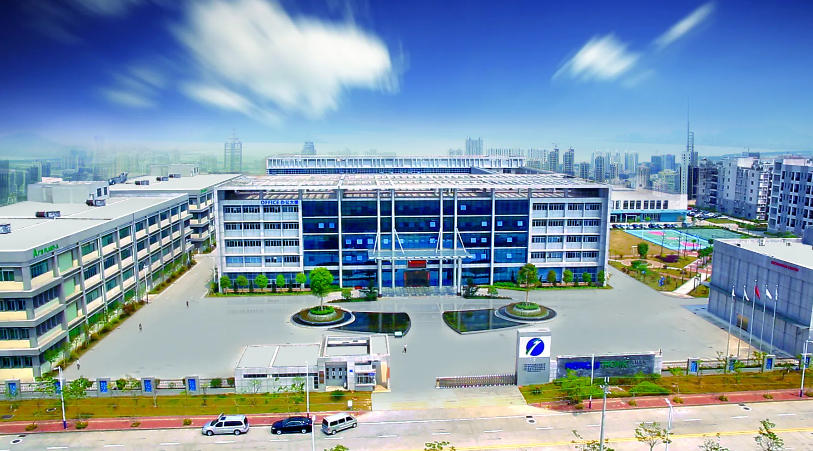
LEDIA Lighting reports that its manufacturing facilities incorporate hundreds of imported automated machines, including high-speed SMT equipment, automatic welding systems, and waterproof processing facilities. Its production infrastructure includes more than 20 production lines covering the LED strip manufacturing process, with an approximate monthly output of 1.5 million meters. The company also reports that its dedicated luminaire production line can manufacture up to 10,000 pieces per month.
Production volume, however, represents only one part of supplier evaluation. Buyers should also investigate how incoming materials are inspected, whether production batches undergo electrical and optical testing, and how product specifications are documented. Consistency between samples and subsequent deliveries is particularly important for projects involving multiple installation phases or repeat orders.
Conclusion
Successful linear lighting projects emerge from the relationship between thoughtful design, suitable technical specifications, and dependable manufacturing resources. Optical uniformity, color quality, electrical compatibility, and thermal conditions each contribute to the performance of an installation, while production consistency becomes increasingly important as project quantities grow. Evaluating an LED linear light factory involves looking beyond monthly output to examine automation, inspection procedures, customization capabilities, and communication with buyers. With its reported manufacturing infrastructure and dedicated production resources, LEDIA Lighting offers an example of how industrial capacity supports the wider demand for flexible linear illumination.

