Electric vehicle charging is becoming part of daily planning for retail properties, office buildings, business parks, and vehicle fleets. Different locations have different charging patterns, so businesses need to look beyond charger power alone. Parking duration, vehicle turnover, user type, site capacity, payment needs, and future expansion all affect charger selection.
For project owners and operators, commercial EV charging solutions should match how vehicles actually use the site. Retail customers may stay for a short period, office employees may park for several hours, and fleet vehicles may follow strict departure schedules. These differences influence whether AC charging, DC charging, or a mixed arrangement is more practical.
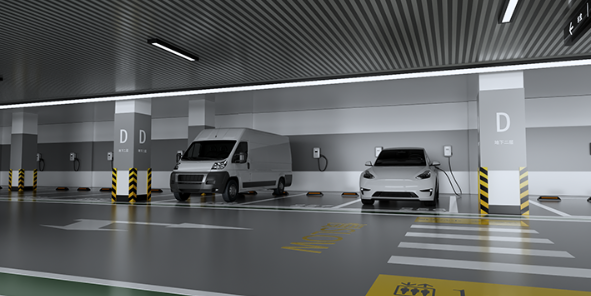
Charging Needs Change With the Site
Retail locations usually serve drivers who arrive at different times and stay for different periods. Shopping centers, hotels, and business districts may therefore need chargers that are easy to access and simple to operate.
Office environments are different. Employees often leave vehicles parked for several hours during the working day. This longer parking window can make AC charging suitable for many workplace applications, especially when charging can be spread across the day.
Fleet depots create another operating pattern. Delivery vans, service vehicles, and commercial fleets may return to a base between routes or at the end of a shift. Charging equipment needs to support vehicle schedules instead of interrupting them.
Retail Charging Requires Flexible User Access
Retail charging needs to balance customer convenience with site management. Drivers may prefer simple activation methods and clear payment options because they are not regular users of the same charger.
Commercial AC charging can work well where vehicles remain parked during shopping, dining, or hotel stays. Charging speed may be lower than DC fast charging, but the longer dwell time can make this suitable for many commercial properties.
Payment functions also matter in public locations. QR code payment, RFID access, or application-based charging can give operators different ways to manage customer use.
For larger retail sites, centralized monitoring can help operators view charging status and usage data across several charging points. This becomes more useful as charger numbers increase.
Office Areas Focus on Dwell Time
Workplace charging often has more predictable usage patterns. Employees may arrive in the morning and remain parked until the end of the working day, giving the site a longer charging window.
This allows businesses to consider lower charging power per vehicle while serving more users over several hours. Site managers can also review whether charging should be available to employees, visitors, company cars, or all three groups.
Load management becomes important when several chargers operate at the same time. Power demand should be reviewed together with building loads so the charging system fits the available electrical capacity.
For offices planning commercial EV charging solutions, expansion should also be considered. Installing a system that can add more chargers later may be more practical than redesigning the whole site when EV use increases.
Fleet Sites Need Stronger Schedule Control
Fleet charging decisions are closely connected with vehicle routes and shift patterns. Vehicles with long overnight parking periods may be suitable for AC charging, while vehicles that need to return to service quickly may need DC charging.
Daily mileage is another factor. Vehicles traveling longer distances may require more energy between shifts. Fleet operators should compare route distance, battery size, available parking time, and charger access before choosing equipment.
DC fast charging becomes useful when downtime must be reduced. ATESS offers DC fast charging stations for electric buses and cars, while its broader EV charging range also includes AC and combined charging options.
For fleet sites with several chargers, power distribution should be planned carefully. Smart load management can distribute available power between charging points and reduce pressure on the site connection.
AC and DC Charging Serve Different Roles
AC charging is often suitable for locations where vehicles remain parked for longer periods. Offices, hotels, and some retail sites can use this time to charge vehicles gradually without depending on high charging power.
DC charging serves a different need. It delivers direct current to the vehicle battery and supports faster energy replenishment, which makes it more useful for short-stop charging and high-turnover sites.
Some projects may benefit from both. A mixed charging layout can use AC chargers for long-stay vehicles and DC chargers for drivers who need faster turnaround.
The final choice should be based on parking behavior rather than charger specifications alone. Understanding dwell time can prevent businesses from installing equipment that does not match actual use.
Management Features Affect Daily Operation
Charging infrastructure also needs to be manageable after installation. Operators may need to monitor charging sessions, control access, review usage information, or apply different payment methods.
The commercial AC charging solution from ATESS supports APP/RFID or plug-and-charge options, as well as QR code or RFID payment. The ATESS commercial charging solution also supports centralized management of several charging stations through a background server.
Solar charging can also be considered where photovoltaic generation is available. This allows businesses to connect EV charging with a wider energy strategy rather than treating chargers as isolated electrical equipment.
Remote monitoring and usage data can become more important as charger networks expand across several parking areas or business locations.
Planning a Suitable Charging Strategy
Businesses selecting commercial EV charging solutions should begin with vehicle behavior, site power, user access, and future demand. Retail properties, office areas, and fleet depots rarely need the same charger mix because their parking and operating patterns are different.
Clear planning helps project teams decide where AC charging is sufficient, where DC charging is more suitable, and where both can work together. Charger type, management functions, payment methods, and expansion capacity should all be reviewed before installation.
For commercial projects, the goal is not simply to add charging points. A practical system should fit the location, support expected vehicle use, and remain manageable as charging demand changes.

