Cooling is an important part of C&I energy storage design, but cooling technology alone should not decide system selection. Project teams also need to consider battery capacity, power demand, operating hours, installation space, ambient temperature, and maintenance conditions. These factors explain why a 261kWh liquid-cooled system and a 500kW air-cooled system can fit different commercial and industrial projects.
The comparison should therefore focus on how each cooling method works within the complete storage system. Battery configuration, duty cycle, site conditions, and project scale all affect the final decision.
How Cooling Methods Affect Battery Operation
Liquid cooling transfers heat through a coolant circuit positioned close to battery modules or cells. This method can provide controlled heat transfer within a compact battery structure. It can be considered for projects where thermal density is relatively high or where temperature differences between battery modules require close management.
Air cooling removes heat through fans and designed airflow paths. Its structure is relatively straightforward, which can simplify inspection in suitable installations. When comparing air cooling energy storage solutions, project teams should examine airflow design, cabinet arrangement, ambient temperature, filtration, and fan maintenance rather than focusing only on the cooling label.
Both approaches work as part of a larger thermal management strategy. The cooling system needs to coordinate with the battery layout, BMS, enclosure, fire protection, and operating strategy.
Capacity and Power Change the Comparison
The 261kWh figure describes energy capacity, while 500kW describes rated power. These values should not be treated as direct equivalents. Capacity indicates how much energy a battery can store, while power indicates how quickly electrical energy can be delivered or absorbed.
For a C&I site, the required combination depends on the load curve. Peak shaving may require relatively high power for shorter periods. Energy shifting can require more capacity when electricity needs to be stored and discharged over several hours. Solar integration adds another factor because charging opportunities depend on photovoltaic production.
The same sizing principle applies to 100kw battery storage projects. Buyers should review peak demand, expected discharge duration, charging periods, and electrical infrastructure before deciding what battery capacity should accompany the required power level.
Site Conditions Influence Cooling Selection
Installation space can affect the choice between cooling methods. Liquid cooling can support compact thermal management, but the coolant circuit adds components that need inspection and service planning. Access to cooling components, alarms, and maintenance procedures should therefore be reviewed during system design.
Air-cooled cabinets need suitable airflow around the equipment. Intake and exhaust paths should remain clear of nearby structures or other obstacles. Dust, local temperatures, and ventilation conditions can also influence maintenance requirements over the operating period.
Outdoor installations introduce further considerations. Project teams need to examine enclosure protection, solar exposure, equipment spacing, cable routing, fire protection arrangements, and technician access. The stated operating temperature range of equipment should also be compared with actual site conditions.
A 500kW Air-Cooled System in Practice
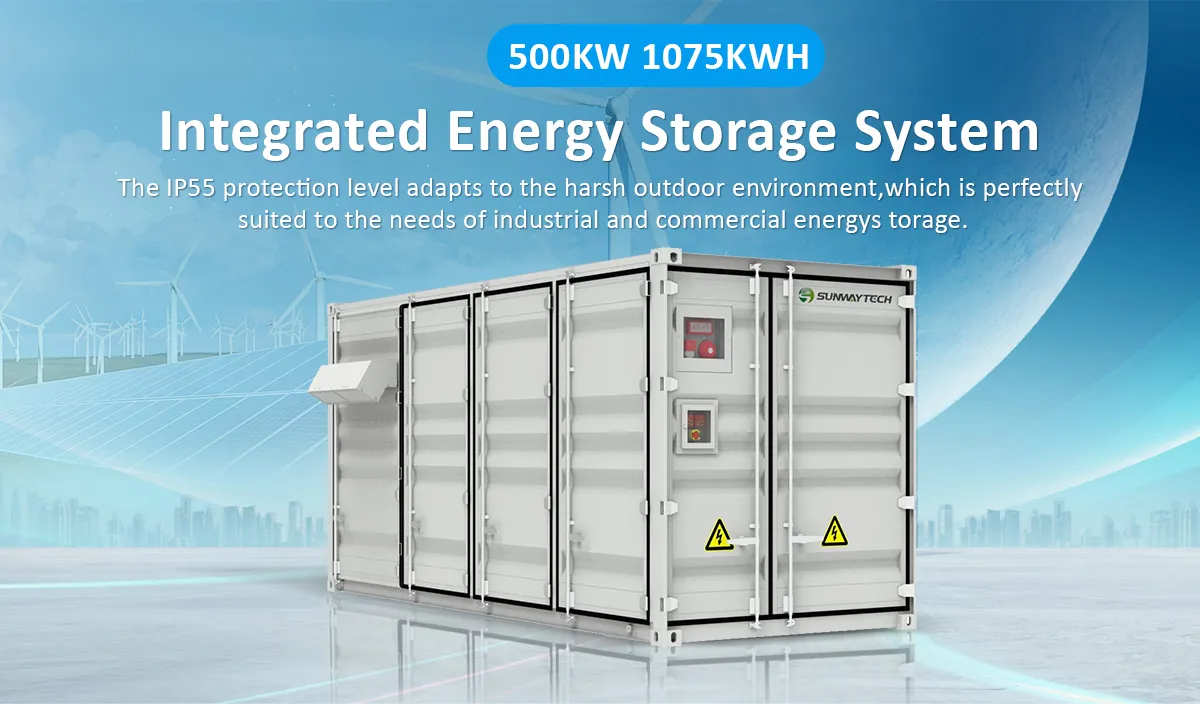
One way to understand the difference is to examine a larger air-cooled cabinet as a practical reference. Sunway Solar provides an outdoor system rated at 500kW AC output with 1075kWh of battery storage. This combination is intended for commercial and industrial loads that require higher power together with extended storage capacity.
The cabinet integrates LFP batteries, PCS, EMS, BMS, power distribution, fire protection, and cooling. It contains 12 battery boxes in a 5P20S12S configuration. This modular arrangement provides a structured layout for capacity expansion and maintenance.
System communication uses CAN, Ethernet, and RS485 protocols for monitoring and energy management. The cabinet also has IP54 protection, transformer isolation, and intelligent air cooling. Its specified operating temperature range is -25°C to 60°C.
These specifications show why air cooling energy storage solutions should be evaluated as complete systems. Cooling is only one part of the design. Power conversion, control, communication, protection, and battery configuration also affect project suitability.
Operating Strategy Matters as Much as Cooling
Battery thermal conditions change with the operating schedule. Short peak-shaving events create a different duty cycle from a system that charges from photovoltaic generation during the day and discharges for several hours later. Charging and discharging power can also change the amount of heat that needs to be managed.
EPC teams and installers should therefore collect actual load data before comparing equipment. Daily demand curves, photovoltaic output, electricity tariff periods, backup requirements, and expected cycling frequency provide a more useful basis for system sizing.
Supplier documentation can then be reviewed against these project requirements. Sunway Solar, established in 2017, works with solar modules, inverters, lithium batteries, and integrated photovoltaic energy storage systems. They serve overseas markets, with products carrying certifications including CE, TUV, and Inmetro.
Choosing According to Project Conditions
A 261kWh liquid-cooled system and a 500kW air-cooled system are not simply two cooling technologies competing for the same application. They represent different combinations of thermal management, power, capacity, installation structure, and operating requirements.
Smaller sites considering 100kw battery storage should follow the same logic rather than scaling down a larger project specification without reviewing the load. For C&I buyers, the practical choice comes from matching storage duration, power demand, climate, available space, cycling strategy, and maintenance conditions. The suitable cooling approach is the one that fits those project conditions and the selected battery system.

